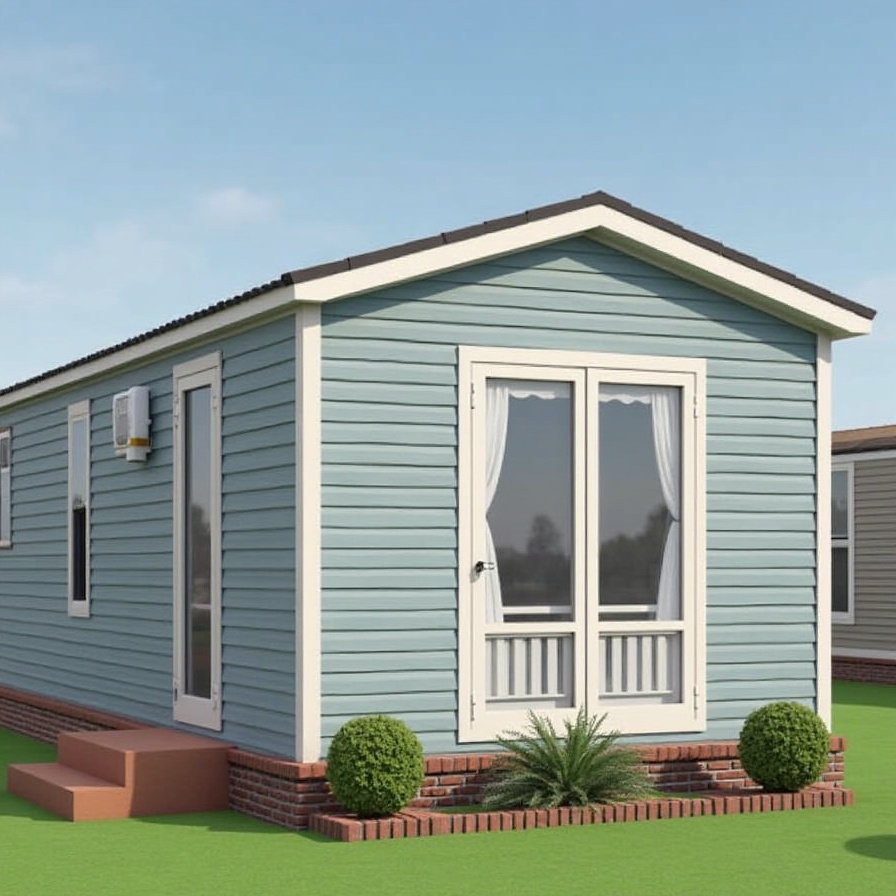
If you own or manage a mobile home community, working with a Real Estate Accountant Manassas can help you maximize profits, reduce tax liability, and stay compliant with changing tax regulations. Mobile home parks have unique accounting challenges, including depreciation schedules, pad rent versus home rent reporting, and bonus depreciation opportunities. Understanding these issues is essential for protecting cash flow and improving long-term returns. In this guide, we’ll explain the tax strategies mobile home park owners should know in 2025 and how a Real Estate Accountant Manassas can help optimize your investment.
Why Mobile Home Park Owners Need a Real Estate Accountant Manassas
Mobile home parks operate differently from traditional apartment complexes. Owners often deal with a mix of land rental income, park-owned homes, infrastructure assets, and utility systems that require specialized tax treatment.
A qualified Real Estate Accountant Manassas can help with:
- Tax planning and compliance
- Asset classification
- Depreciation strategies
- Cost segregation studies
- Financial reporting
- Capital improvement tracking
- Entity structure planning
Proper accounting helps owners reduce tax exposure while maintaining accurate financial records.
Real Estate Accountant Manassas Guide to Pad Rent vs. Home Rent
One of the most important accounting distinctions in mobile home parks is understanding pad rent and home rent income.
Pad Rent Income
Pad rent is collected when residents own their mobile homes and lease only the land beneath them.
Benefits include:
- Lower maintenance costs
- Predictable revenue
- Reduced turnover expenses
- Fewer repair obligations
Home Rent Income
Home rent applies when the park owner owns the manufactured home and rents both the home and the lot.
This model typically involves:
- Higher gross revenue
- Additional maintenance expenses
- More depreciation opportunities
- Greater management responsibilities
A Real Estate Accountant Manassas can help ensure these income streams are categorized correctly for tax and reporting purposes.
Depreciation Strategies with a Real Estate Accountant Manassas
Depreciation is one of the most valuable tax benefits available to mobile home park owners.
Land Cannot Be Depreciated
The IRS does not allow depreciation on land value. Purchase allocations should separate:
- Land
- Buildings
- Mobile homes
- Roads
- Utility systems
- Fencing
- Landscaping improvements
Proper allocation creates more accurate tax deductions.
Common Depreciation Lives
15-Year Property
Assets commonly classified as 15-year property include:
- Roads
- Sidewalks
- Fencing
- Exterior lighting
- Landscaping improvements
27.5-Year Property
Residential rental property often includes:
- Park-owned mobile homes
- Residential rental structures
39-Year Property
Commercial-use facilities may include:
- Leasing offices
- Maintenance buildings
- Administrative facilities
An experienced Real Estate Accountant Manassas can help ensure assets are properly classified.
Cost Segregation Benefits for Mobile Home Parks
Many investors overlook cost segregation opportunities.
A cost segregation study identifies assets eligible for accelerated depreciation, including:
- Electrical systems
- Utility infrastructure
- Security systems
- Signage
- Site improvements
Accelerating depreciation can generate significant tax savings during the first years of ownership.
Related Reading:
- /cost-segregation-for-real-estate-investors
- /real-estate-tax-planning-strategies
Bonus Depreciation Opportunities in 2025
Bonus depreciation remains an important tax planning tool for property owners.
Qualifying assets may include:
- Land improvements
- Utility installations
- Security equipment
- Infrastructure upgrades
Potential benefits include:
- Immediate deductions
- Lower taxable income
- Improved cash flow
- Increased reinvestment capital
A Real Estate Accountant Manassas can evaluate whether bonus depreciation aligns with your investment strategy.
Capital Improvements vs. Repairs
Correctly categorizing expenses helps avoid IRS issues.
Deductible Repairs
Examples include:
- Minor road repairs
- Plumbing fixes
- Electrical maintenance
- Routine upkeep
Capital Improvements
Examples include:
- New roads
- Utility replacements
- Infrastructure expansion
- New fencing systems
These expenditures are typically depreciated over time.
Recordkeeping Best Practices for Mobile Home Park Owners
Strong recordkeeping supports tax savings and operational efficiency.
Maintain records for:
- Lease agreements
- Rent rolls
- Property taxes
- Insurance policies
- Capital expenditures
- Vendor invoices
- Loan documentation
A Real Estate Accountant Manassas can help implement systems that improve reporting accuracy and financial visibility.
Conclusion
Mobile home parks offer attractive investment opportunities, but success requires specialized tax planning and accounting expertise. A Real Estate Accountant Manassas can help owners navigate depreciation schedules, distinguish between pad rent and home rent income, maximize bonus depreciation opportunities, and improve overall profitability. By implementing proactive accounting strategies, mobile home park owners can strengthen cash flow and position their investments for long-term growth in 2025.
INTERNAL LINK SUGGESTIONS
- Tax Planning for High Income Earners In 2025: Key Strategies to Save Money
- How Cost Segregation Supercharges Real Estate Tax Strategies in 2025
- Year-End Tax Planning with a CPA Near Me in Manassas VA in 2025
- Real Estate Accountant Manassas for 1031 Exchange Planning: Deadlines Identification Rules and How Not to Blow the Exchange in 2025
EXTERNAL LINK
IRS Publication 946 (How to Depreciate Property):
https://www.irs.gov/publications/p946
At TaxWise Corp, we help small business owners across the USA navigate the complex tax landscape, optimize deductions, and protect their financial future. Don’t leave money on the table, start planning today!
Contact TaxWise Corp to schedule your 2025 Tax Planning Consultation and ensure your business saves every possible dollar.